

The Important of Orthodontics
Raleigh, NC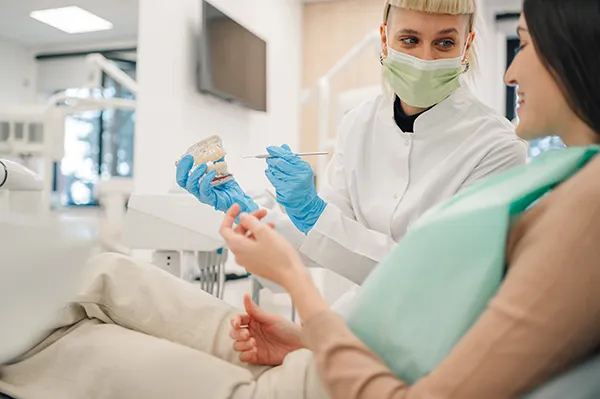 Orthodontic treatment offers far more than a cosmetic enhancement. When the teeth and jaw align properly, patients experience benefits that extend to oral health, physical comfort, and overall quality of life. Understanding the importance of orthodontics helps individuals make informed decisions about when to seek evaluation and what to expect from treatment. Orthodontic treatment offers far more than a cosmetic enhancement. When the teeth and jaw align properly, patients experience benefits that extend to oral health, physical comfort, and overall quality of life. Understanding the importance of orthodontics helps individuals make informed decisions about when to seek evaluation and what to expect from treatment. Treatment OptionsModern orthodontics provides several approaches to achieving proper alignment, allowing patients to select methods that fit their lifestyle and preferences. Traditional braces, featuring metal or ceramic brackets connected by wires, remain highly effective for addressing complex tooth movements and bite corrections. These appliances apply steady, controlled pressure to guide teeth into their optimal positions over time. Clear aligner systems offer an alternative that appeals to patients seeking discretion. These removable trays gradually shift teeth through a sequence of custom-fitted stages. Patients can remove aligners for meals and oral hygiene routines, providing flexibility that traditional braces cannot match. Additional orthodontic tools include lingual braces, which attach to the back surfaces of teeth for a virtually invisible appearance, and specialized appliances such as palatal expanders or space maintainers that address specific jaw or spacing concerns. Why Timing Matters In Orthodontic CareOrthodontic intervention can succeed at nearly any stage of life, but strategic timing often enhances efficiency and outcomes. The American Association of Orthodontists recommends that children receive their first orthodontic evaluation around age seven. At this stage, orthodontists can identify developing bite irregularities or jaw growth patterns that may require early intervention. Addressing these issues during childhood can sometimes prevent more complex problems from developing, potentially reducing the need for extensive treatment later. Adolescence represents the most common period for comprehensive orthodontic treatment. Once permanent teeth have fully erupted, orthodontists can implement treatment plans that take advantage of continuing growth and development. Teeth and supporting structures respond more readily to orthodontic forces during these years, often resulting in shorter treatment. Adults increasingly seek orthodontic care to address concerns that may have developed over decades or that went untreated during childhood. Modern treatment options, particularly clear aligners, have made adult orthodontics more accessible and less conspicuous. Adults can achieve significant functional and aesthetic improvements regardless of how long dental issues have been present. How Orthodontics Enhances Oral HealthThe connection between straight teeth and oral health extends well beyond appearance. Properly aligned teeth function more efficiently, last longer, and resist disease more effectively than crowded or misaligned teeth. When your bite aligns correctly, chewing forces distribute evenly across all teeth rather than concentrating on specific teeth. This balanced distribution reduces excessive wear, decreases the risk of fractures, and minimizes strain on jaw muscles and joints. Orthodontic correction also eliminates the tight spaces and awkward angles that make thorough cleaning difficult. Crowded or overlapping teeth create hiding places for plaque and bacteria that toothbrush bristles and floss cannot easily reach. After orthodontic treatment, patients typically find brushing and flossing more straightforward and more effective, leading to healthier gums and fewer cavities. The Role Of Proper Bite FunctionOrthodontic care addresses the relationship between upper and lower teeth, ensuring they meet correctly when you close your mouth. Overbites, underbites, and crossbites all create functional challenges that affect daily activities. When bite alignment improves, chewing becomes more efficient, supporting proper digestion and nutrition. Patients often report reduced jaw fatigue and discomfort after completing treatment. Speech clarity can also improve following orthodontic correction. Certain sounds require precise tongue placement against teeth or the roof of the mouth. When teeth occupy their correct positions, speaking becomes easier and clearer. Jaw comfort represents another significant advantage of orthodontic treatment. Misaligned bites force jaw muscles to work harder than necessary during routine activities like eating and speaking. Over time, this extra effort can lead to muscle tension, headaches, and temporomandibular joint disorders. Orthodontic intervention relieves this strain by establishing proper balance between jaw position and tooth alignment. Treatment DurationOrthodontic treatment timelines vary based on the severity of misalignment and the specific techniques employed. Minor corrections might require only six to 12 months, while comprehensive treatment for complex cases can extend from 18 months to three years. Your orthodontist will provide an estimated timeline during your initial consultation and will monitor your progress at regular intervals to ensure treatment stays on schedule. Patient cooperation significantly influences treatment success and duration. Following your orthodontist's instructions regarding wear schedules, elastic use, and dietary restrictions helps treatment progress as planned. Maintaining excellent oral hygiene throughout treatment prevents complications such as cavities or gum inflammation that could necessitate treatment delays. Attending all scheduled appointments ensures timely adjustments and allows your orthodontist to address any concerns before they impact your results. Maintaining Dental HealthOrthodontic appliances require adjustments to your oral hygiene routine. Brackets, wires, and attachments create additional surfaces where food particles and bacteria can accumulate. Using specialized cleaning tools such as interdental brushes, floss threaders, and water flossers helps you reach areas that standard brushing might miss. Patients wearing clear aligners should brush teeth before reinserting trays to prevent trapping bacteria against tooth surfaces. Professional dental cleanings become even more important during orthodontic treatment. Your general dentist can remove plaque and tartar from hard-to-reach areas, reducing your risk of cavities and gum disease. Regular dental checkups allow your dental team to identify potential problems early and provide guidance on maintaining optimal oral health throughout your orthodontic care. Protecting Your ResultsCompleting active orthodontic treatment marks the beginning of the retention phase, which proves just as important as the treatment itself. Immediately after braces or aligners finish moving your teeth, the surrounding bone and soft tissues need time to stabilize around the new tooth positions. Without proper retention, teeth naturally drift back toward their original locations. Retainers come in two primary forms. Fixed retainers consist of thin wires bonded to the back surfaces of teeth, providing continuous support without requiring patient compliance. Removable retainers are worn according to your orthodontist's schedule, typically starting with full-time wear and gradually transitioning to nighttime use only. Some patients benefit from using both types simultaneously for maximum stability. Consistent retainer use protects your orthodontic treatment and preserves the health and aesthetic benefits you've achieved. Take The First Step Toward Better Oral HealthOrthodontic care represents an investment in your long-term dental health and quality of life. If you or someone in your family experiences crowding, spacing, bite irregularities, or jaw discomfort, an orthodontic evaluation can reveal whether treatment would be beneficial. Our Raleigh Family Orthodontics team provides comprehensive assessments, discusses all available treatment options, and develops personalized care plans designed around your specific needs and goals. Contact our office today at (984) 254-0585 to schedule your consultation and discover how orthodontic treatment can improve your oral health, comfort, and confidence. |
Follow Us |
